THE DIVINE PATTERN
Building Kingdom Business from Heaven’s Blueprint
By JNK | 30/07/2026
Topics: The Divine Source of the Plan | The Structure and Service | Wholehearted Devotion and Courageous Execution
The Crisis of Kingdom Enterprise
In the sleek boardrooms of the modern corporate world, a silent crisis is unfolding. Kingdom-minded entrepreneurs and business leaders are building empires using secular, earthly blueprints while heaven holds divine patterns waiting to be deployed. They work harder, strategize longer, and network wider—yet something fundamental is missing. The true breakthrough remains elusive, the legacy feels fragile, and the ultimate impact, though real, falls short of eternal significance.
Too many kingdom executives are attempting to build Solomon’s temple using Saul’s mindset. They operate under self-crafted success metrics, anxiety-fueled control, and fragmented lives where faith is relegated to a sidebar rather than serving as the foundational blueprint. The result? Burnout, ethical gray zones, shallow impact, and corporate legacies that fail to outlast quarterly reports. Their daily endeavors feel like frantic sketching without the Master Architect’s guiding hand.
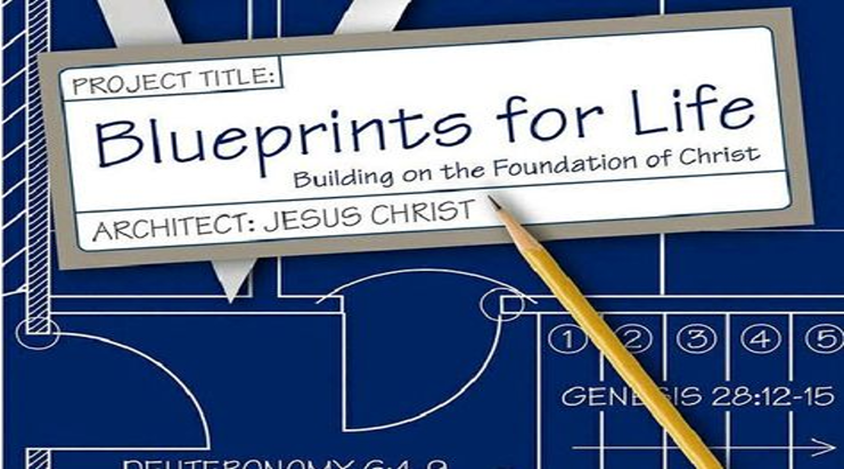
In 1 Chronicles 28:11-19, David hands Solomon the divinely revealed plans for the temple. Every detail—the portico, treasuries, priestly divisions, and exact weights of gold and silver—came “from the hand of the Lord” through the Spirit. This was not human ingenuity; it was revelation for sacred construction. For New Covenant kingdom executives, this passage unveils a powerful reality: God provides detailed blueprints for what we build in business, reorienting leaders from self-designed ventures to Spirit-empowered kingdom enterprises.
1. The Divine Source of the Plan – “All This… from the Hand of the Lord”
“All this,” David said, “I have in writing as a result of the Lord’s hand on me, and he enabled me to understand all the details of the plan.” (1 Chronicles 28:19)
David did not improvise. He delivered to Solomon comprehensive plans for the portico, buildings, storerooms, inner rooms, courts, treasuries, and places of service (1 Chronicles 28:11-12). Crucially, the Spirit put these specifications into his mind. Under the Old Covenant, the plan was external—patterns shown to Moses or David. Under the New Covenant, the Holy Spirit dwells within us (1 Corinthians 3:16; 6:19), making every believer a temple and empowering us to receive living blueprints for our daily work. Business strategy ceases to be purely secular; it becomes a co-creation with the Architect of the universe.
Case Study: Raj’s “Blueprint Mornings”
Consider Raj, a logistics CEO scaling operations across Asia and North America. His early plans were aggressive but reactive—chasing market trends, over-leveraging, and suffering severe supply shocks. In a season of operational crisis, he studied 1 Chronicles 28 and initiated a practice of “blueprint mornings”: combining Scripture meditation, prayer for the Spirit’s mind (1 Corinthians 2:16), and journaling specific operational guidance.
What emerged was a counterintuitive plan emphasizing ethical supplier covenants, technology configured for human flourishing rather than replacement, and built-in rhythms of rest. Implementation required courage—including delaying certain expansions—but organizational resilience soared. The company navigated disruptions far better than its peers, attracting top-tier talent who sensed something transcendent in the culture. Raj’s enterprise became a place where work revealed God’s order and care.
Applications for Kingdom Executives
- Spirit-Led Strategic Planning: Move beyond standard SWOT analyses into Spirit-led visioning. Dedicate annual offsites to prayerful listening and document specific KPIs aligned with kingdom values such as justice, generosity, and operational excellence.
- Innovation as Revelation: Recognize that the Spirit imparts creative solutions (echoing Bezalel in Exodus 31:1-5). Kingdom businesses pioneer redemptive models—such as circular economies, fair AI frameworks, and wealth distribution systems that honor God.
- Detailed Stewardship: Just as David specified gold weights and structural divisions, create granular systems: ethical governance policies, organizational charts reflecting servant leadership, and financial models with generous margins reserved for kingdom impact.
2. The Structure and Service – Building for Worship and Order
“He gave him the plans for the divisions of the priests and Levites, and for all the work of the service in the house of the Lord, and for all the articles of service in the house of the Lord.” (1 Chronicles 28:13)
David’s plans were meticulous, encompassing divisions of service, articles for worship, treasuries, lampstands, tables, altars, and cherubim overshadowing the ark (vv. 12-18). The temple was not merely architectural; it facilitated holy service, divine presence, and operational order. In the New Covenant, our businesses serve as living temples (1 Peter 2:5; Ephesians 2:19-22). We build cultures and operational systems where individuals encounter God’s presence through work—marked by dignity in labor, excellence in service, and genuine community.
Case Study: Maria’s Operational Restructuring
Consider Maria, founder of a consumer goods company. Her initial organizational structure was flat and chaotic, reflecting typical startup hustle. Studying David’s detailed instructions, she re-engineered her business: establishing clear divisions (departments with defined callings), refined vessels (tools and processes designed for beauty and function), and dedicated treasuries (resources allocated for employee development and community investment).
She implemented weekly service reviews focused on how work reflected worship—evaluating integrity in marketing, care in supply chains, and environmental stewardship. This shift transformed morale; teams began viewing their roles as priestly, mediating God’s goodness to customers. Productivity increased without burnout because structure served a higher purpose, and core values acted as a venue for grace-filled conflict resolution.
Applications for Kingdom Executives
- Organizational Design: Create corporate structures that reflect divine order—balanced authority, empowerment of support roles, and transparent accountability. Avoid imperial silos by fostering collaborative environments.
- Service Excellence: Treat every product, service, and customer interaction as an article for holy service. Quality is not optional—it directly glorifies the Creator while providing customers with an encounter with kingdom hospitality.
- Dedicated Treasuries: Allocate budgets for research and development in redemptive technology, employee well-being, and external mission work. New Covenant generosity flows consistently from the overflow of the Spirit.
3. Wholehearted Devotion and Courageous Execution – Passing the Blueprint
“Acknowledge the God of your father, and serve him with wholehearted devotion and with a willing mind, for the Lord searches every heart… Be strong and courageous, and do the work.” (1 Chronicles 28:9, 20)
The reception of divine plans demands a response: wholehearted pursuit and courageous execution. New Covenant executives receive strength through the Spirit, who produces the fruit of devotion, wisdom, and boldness (Galatians 5:22-23; 2 Timothy 1:7). Leaders do not build in isolation; Immanuel is present with them in the marketplace.
Case Study: Ahmed’s Ethical Realignment
Ahmed, a construction firm leader, inherited a legacy business entrenched in corrupt industry practices. Receiving strategic clarity through prayer and counsel, he confronted compromised systems, retrained his workforce, and realigned operations to kingdom ethics despite short-term financial sacrifices.
Wholehearted devotion required operational transparency that initially cost bids but established long-term market trust. He actively mentored successor leaders with the same charge, ensuring the blueprint persisted across generations. The firm’s reputation for integrity ultimately opened doors to high-value partnerships and community revitalizations. Fear yielded to courageous execution because he operated in the certainty of God’s presence.
Applications for Kingdom Executives
- Heart Alignment: Conduct regular internal audits under the guidance of the Spirit. Lead with willing minds—prioritizing joyful obedience over grudging compliance.
- Succession and Legacy: Following David’s model with Solomon, deliberately invest in the next generation of leaders. Treat business transitions and exits as key opportunities to pass along divine blueprints.
- Strength in Adversity: Exercise courage during marketplace challenges—whether navigating regulatory hurdles, intense competition, or cultural opposition—knowing the Spirit provides sustained endurance.
Conclusion
1 Chronicles 28:11-19 reveals God’s timeless pattern for sacred construction. The divine Source provides detailed plans; the underlying structure facilitates worshipful service; and wholehearted devotion fuels courageous execution. For New Covenant kingdom executives, businesses are not secular ventures, but Spirit-indwelt enterprises advancing God’s kingdom—orderly, excellent, redemptive, and legacy-minded.
The anxiety of self-directed building finds resolution in complete surrender to the Master Architect. You are chosen to build. Be strong and do the work—the Blueprint Giver is with you.