Grace Over Protocol: Leading Like Hezekiah in the Marketplace
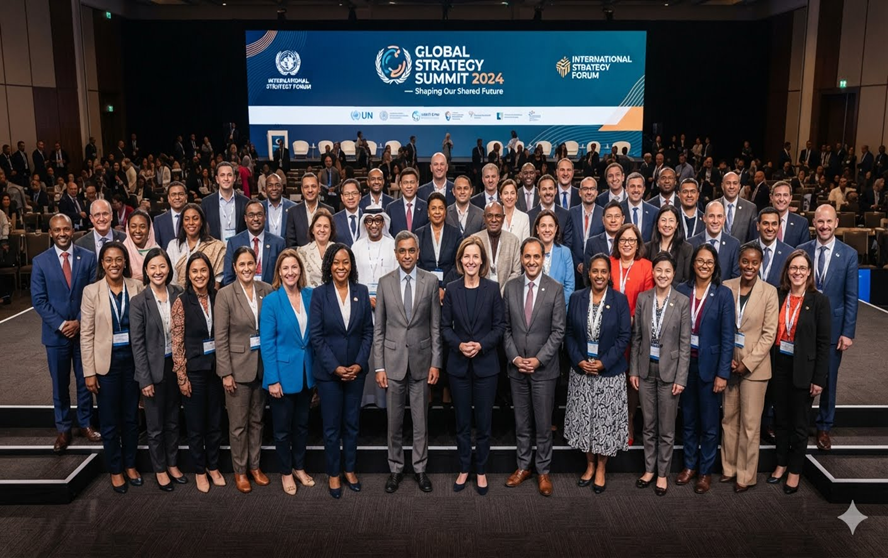
Picture this: It’s the biggest company-wide gathering of the year. The strategy summit is underway, the numbers look promising, and the energy is high. Then the compliance report lands. Dozens of team members—key people from distant regions and partner networks—haven’t completed the required certifications. The old playbook says exclude them. Strict policy. Clear consequences. Yet something in your spirit resists. These people traveled far, their hearts are aligned with the mission, and the gathering was called for unity and celebration of what God is doing through the enterprise.
This is the tension every Kingdom executive faces. In the high-stakes world of business, we inherit systems built on performance metrics, risk matrices, and ceremonial purity—quarterly reviews, compliance checklists, cultural fit assessments. We know the letter of the corporate “law.” But the New Covenant whispers something different: the heart that seeks God matters more than perfect external readiness.
2 Chronicles 30:17-27 captures exactly this moment in Hezekiah’s great Passover. Many arrived unclean according to the sanctuary rules. They ate anyway. The king interceded. God healed. Joy erupted for fourteen days. What if that ancient scene is a living blueprint for how we lead businesses under grace? This post explores three realities of the New Covenant that transform how Kingdom executives build culture, intercede for imperfect people, and release extraordinary joy and provision in the marketplace.
The Heart That Seeks God Outweighs Perfect Readiness
In the second month, after years of spiritual decline, King Hezekiah invited all Israel and Judah to celebrate Passover in Jerusalem. The response was mixed. Many from Ephraim, Manasseh, Issachar, and Zebulun came—but most had not purified themselves according to the written requirements. The Levites stepped in to slaughter the lambs for those who could not. Still, the people ate the Passover “contrary to what was written.”
Hezekiah’s prayer cut through the tension: “May the Lord, who is good, pardon everyone who sets their heart on seeking God—the Lord, the God of their ancestors—even if they are not clean according to the rules of the sanctuary.” And the Lord heard Hezekiah and healed the people.
Under the Old Covenant, ceremonial cleanliness was non-negotiable for participation in the feast. Under the New Covenant, the blood of Jesus has once-for-all purified those who come by faith. The writer of Hebrews declares that we have confidence to enter the Most Holy Place by the blood of Jesus, by a new and living way. The heart that seeks God is the decisive factor.
For the Kingdom executive, this lands with force. Your team will never all arrive at the “summit” perfectly prepared. Some will miss the leadership development modules. Others will carry the residue of previous toxic workplaces or personal struggles. Still others—contractors, international partners, new hires—will lack the institutional knowledge that long-timers take for granted. The old corporate reflex is to enforce the checklist: no certification, no seat at the table. The New Covenant reflex is different. It does not abolish standards. Hezekiah did not scrap the Passover; he facilitated participation while interceding for grace. In business this looks like creating pathways rather than walls. It means designing onboarding that assumes people are coming with incomplete readiness yet full intention. It means distinguishing between willful rebellion and the honest gaps of those whose hearts are set on the mission.
I once watched a CEO pause a major product launch because a key regional director had not completed the final compliance training. The team was frustrated. The market window was closing. Yet the CEO gathered the executive team and prayed—not a perfunctory prayer, but a Hezekiah-style intercession: “Lord, these people have set their hearts to build with integrity. Cover what is incomplete.” Within days the missing pieces fell into place, relationships deepened, and the launch exceeded projections. The healing was not merely operational; it was relational and spiritual.
New Covenant leadership refuses to weaponize process against people who are genuinely seeking. It creates space for the imperfect to participate while the leaders stand in the gap. The result is not chaos; it is the presence of God that heals what rigid protocol cannot. This principle extends to performance management, hiring, and even mergers. When two companies combine, the “unclean” cultural differences can feel disqualifying. Kingdom executives who lead with the Hezekiah prayer create atmospheres where hearts aligned with Kingdom purpose are welcomed, and God Himself supplies the purification that checklists alone cannot produce.
The marketplace is full of people who have traveled far—across industries, across failures, across seasons of dryness—to be part of something that matters. Our job is not to police every ceremonial detail. Our job is to discern the set of the heart and then intercede.
Generous Leadership Multiplies Joy and Consecrates the Community
The narrative continues with explosive joy. The Israelites celebrated the Festival of Unleavened Bread for seven days with great rejoicing. The Levites and priests praised the Lord daily with resounding instruments. Hezekiah spoke encouragingly to the Levites who showed good understanding of the service of the Lord. Then the whole assembly agreed to celebrate seven more days. Hezekiah provided a thousand bulls and seven thousand sheep and goats; the officials added another thousand bulls and ten thousand sheep and goats. A great number of priests consecrated themselves. The entire assembly of Judah, the priests, Levites, those from Israel, and the foreigners all rejoiced. There had been nothing like this in Jerusalem since the days of Solomon.
Notice the sequence: intercession and healing produced joy; joy produced extended celebration; extended celebration was resourced by sacrificial leadership; sacrificial leadership produced further consecration and broader inclusion.
Under the New Covenant this pattern intensifies. Jesus is both the ultimate Passover Lamb and the generous King who multiplies loaves. The Spirit is poured out without measure. Joy is a fruit, not a forced emotion. And leaders are called to be stewards who release resources so that the people of God can feast.
Kingdom executives often default to scarcity mindsets—budgets are tight, margins must be protected, celebration feels like waste. Hezekiah models the opposite. He and the officials gave lavishly so the people could keep celebrating. The result was not depleted reserves but historic joy and deepened consecration.
In practical terms this means budgeting for culture the way we budget for growth. It means creating rhythms of celebration that outlast the minimum required. Annual retreats that become multi-day immersions. Profit-sharing that feels like abundance rather than obligation. Public encouragement of those who serve well—Hezekiah “spoke encouragingly to all the Levites.” Recognition is not soft; it is strategic consecration of the workforce.
I have seen companies where the leadership team quietly funds extra days of rest after major project deliveries, or underwrites professional development far beyond industry norms, or hosts open tables where every department and every contractor is welcomed. The measurable outcomes include higher retention, stronger innovation, and a palpable sense that “God is among us.” The unmeasurable outcome is the same joy that marked Jerusalem: people who feel seen, provided for, and invited into something larger than themselves.
New Covenant generosity also includes the “foreigners”—those outside the core tribe. Hezekiah’s assembly embraced people from the northern tribes and resident aliens. In business this translates to intentional inclusion of diverse voices, suppliers from marginalized communities, and partners who do not share every cultural assumption. Generosity creates the atmosphere in which consecration multiplies. When people experience abundance flowing from leadership, they respond by setting themselves apart for the work with greater seriousness.
The Old Covenant required the people to bring their own sacrifices. The New Covenant King provides the sacrifice and then continues to provide for the feast. Kingdom executives who understand this stop asking only “What is the minimum we must spend?” and begin asking “What level of provision will release historic joy and deeper consecration in this community?”
The Prayer That Reaches Heaven Releases Corporate Blessing
The passage closes with a quiet but thunderous statement: “The priests and the Levites stood to bless the people, and God heard them, for their prayer reached heaven, his holy dwelling place.”
Intercession began with Hezekiah’s personal prayer for the unclean. It ended with the collective blessing of the priests and Levites that ascended all the way to God’s throne. The result was healing, joy, extended celebration, and national unity that had not been seen for generations.
In the New Covenant the priesthood of all believers means every Kingdom executive carries priestly authority in the sphere of influence God has assigned. Your boardroom can become a place where prayer reaches heaven. Your strategic planning sessions can include the kind of blessing that shifts atmospheres. Your advocacy for struggling team members can become the conduit through which God heals corporate dysfunction.
This is not about adding a perfunctory prayer to the beginning of meetings. It is about cultivating the same posture Hezekiah modeled: a leader who sees the gap between the ideal and the actual, refuses to exclude the sincere, and carries the people before the good Lord who pardons.
Practically, this looks like leaders who regularly intercede by name for their direct reports and for the broader organization. It looks like creating space in leadership gatherings for honest confession of where the company has fallen short of Kingdom standards, followed by bold requests for healing and favor. It looks like blessing employees, clients, and even competitors with the expectation that the prayer will reach the holy dwelling place.
When such prayer becomes culture, the business begins to experience the same sequence: healing of relational and operational fractures, unusual joy that attracts talent and loyalty, generosity that multiplies rather than depletes, and a sense of historic favor that outsiders notice.
I have walked with executives who shifted from purely transactional leadership to this priestly posture. One manufacturing CEO began weekly intercession for every plant manager by name. Within eighteen months the company saw dramatic reductions in accidents, improved quality metrics, and a cultural shift so pronounced that former critics became advocates. The financial results followed, but the deeper story was the same as Jerusalem: God heard, and the prayer reached heaven.
The New Covenant guarantee is even stronger. We have an Advocate with the Father—Jesus Christ the Righteous. Our prayers are offered through Him and by the Spirit. Therefore the confidence of the Kingdom executive is not in perfect performance but in the finished work and the open heavens.
Conclusion
2 Chronicles 30:17-27 is more than an ancient revival story. It is a living pattern for Kingdom executives operating under New Covenant realities. First, the heart that seeks God is welcomed even when external readiness is incomplete; grace covers the gaps while leaders intercede. Second, generous provision by leadership multiplies joy, extends celebration, and draws the community into deeper consecration and inclusion. Third, priestly prayer that reaches heaven releases healing and historic blessing over the entire enterprise.
These three movements—grace-filled inclusion, sacrificial generosity, and ascending intercession—form a coherent leadership architecture. They free us from the tyranny of rigid protocol without abandoning excellence. They replace scarcity with abundance. They turn the marketplace into a place where the presence of God is tangible.
The invitation is clear. Lead like Hezekiah. See the people who have traveled far with imperfect preparation. Pray the prayer of the good Lord who pardons. Resource the feast lavishly. Stand with your teams to bless them until the prayer reaches heaven. The result will not be less professionalism; it will be the kind of joy and favor that has not been seen in your industry for a long time.